
Port Galveston Cruise Terminal 10
Galveston Wharves Cruise Terminal is a two story, 160,000 square-foot terminal building designed to maximize cruise terminal operations while creating a welcoming environment for passengers and crew...


Gain deeper insights into the maritime industry with detailed updates on key developments and trends, meticulously curated by our team of specialists.
The forces that push cruise port parking up or down, the revenue it generates, and the design choices that make it work.
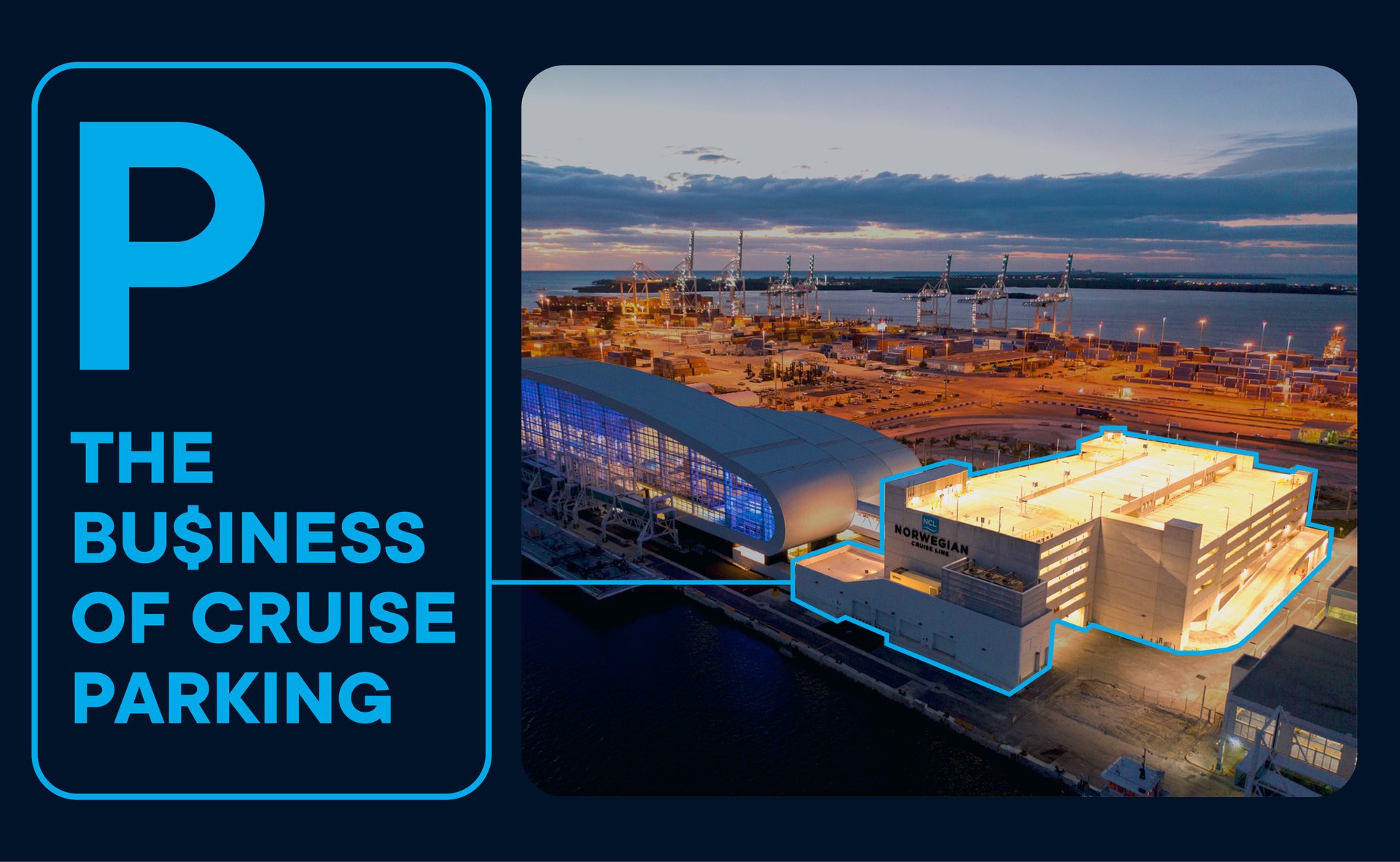
When the modern cruise industry began in the 1960s, customers were sourced from a regional, mostly local drive-in market and were typically dropped off at the pier. Very quickly the industry transitioned to the fly-and-sail model, where guests were sold the entire experience from their home city to the ship and passengers were bused to the terminal from the airport. At that time, parking was a rarity, with terminals offering minimal parking, sometimes not even reaching 20 to 30 spots per sailing.
Six decades later, the picture looks very different. As the industry has grown from 11 million to over 36 million passengers over the past 25 years, both who sails from where and how they get there have changed fundamentally. Industry observers often point to the period after 9/11, when air travel was disrupted, as the moment cruise lines recognized the potential of a drive-in market drawing from mid-range distances, and homeports began to see a dramatic increase in parking demand. Since then, this trend has expanded geographically through the increase in size and location of homeports that sit near these drive-and-sail markets, turning port parking almost overnight into one of the most important, and profitable, pieces of terminal planning.
A modern homeport still draws from its own backyard and sources from a fly-and-sail market that requires no parking, but the drive-and-sail market has become the cornerstone of the industry and of strategically located homeports.
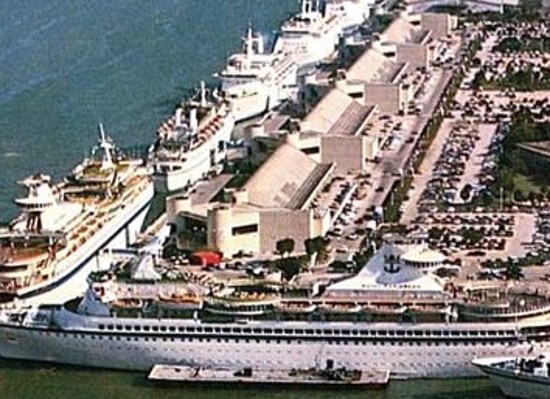
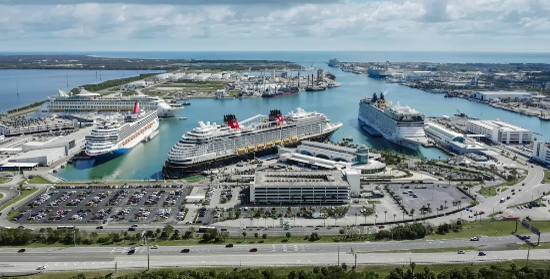
At the root of this shift is pricing. Customers can quickly compare the cost of traveling by air to their homeport, including travel to or parking at their home airport, airfare, and a hotel or ground transport to the ship, against the cost of driving just in time to their ship, particularly if the drive can be completed in 24 to 48 hours. This is structural and fundamental to the cruise and port business model: the total cost of the cruise becomes more affordable, which increases the size of the addressable market and puts additional funds in passengers' pockets to use during their cruise. Nothing on the horizon looks likely to reverse this trend.
In this edition of BAPerspectives, we look at the forces that push cruise port parking up or down, the revenue it generates, and the design choices that make it work.
Cruise parking demand starts with where the homeport sits and what destination offerings it can serve. The most successful homeports earn that status for a reason: they pair a dense drive-in catchment with domestic and at times international airport access, which is exactly what lets them draw passengers from different markets. Those within a short drive are dropped off or take a rideshare; those within a one- or two-day drive will choose to drive, and the rest will fly. The ones in between, too far to ask for a drop-off and too close to justify a flight, are the ones who park. That middle band reaches further than most ports assume: license-plate data at some homeports traces drive-in guests eight to ten hours out.
The larger homeports have all three groups. Parking demand is driven by what percentage of the customers come from each arrival pattern, and that is why similar ports can have completely different parking needs.
The first driver is the region and itinerary structure the port serves.
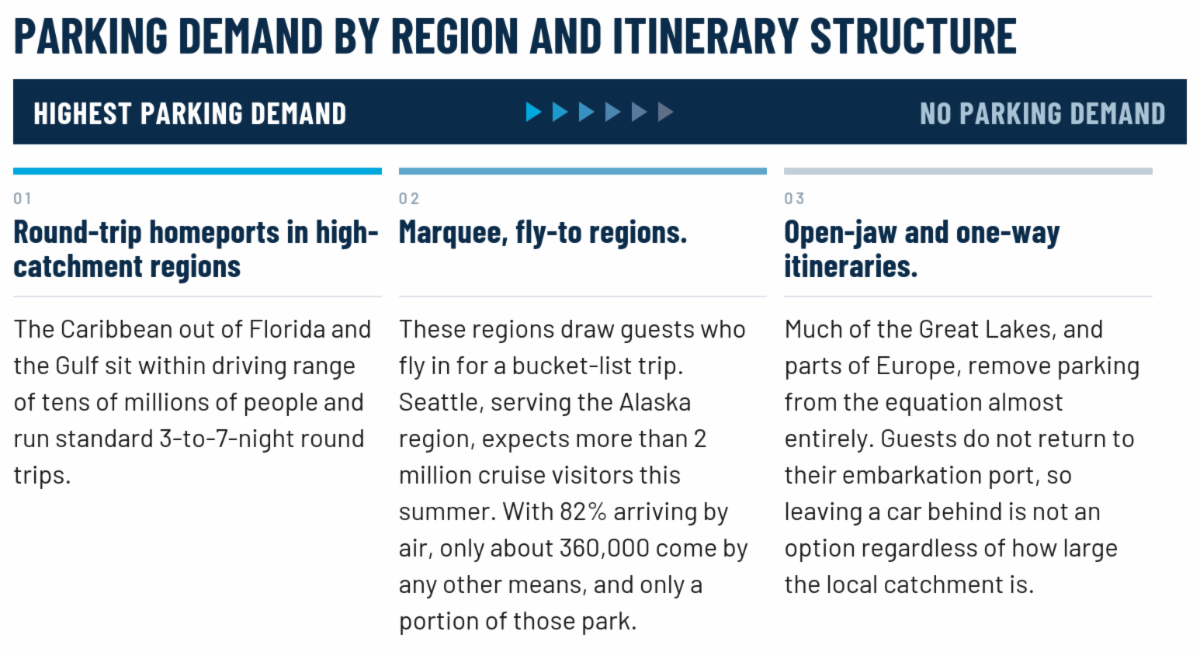
For ports that serve a drivable, round-trip market, a few finer factors determine how many passengers actually park.
Number of Cars as a Percent of Embarking Passengers by Cruise Line and Length of Cruise at a Sample Port
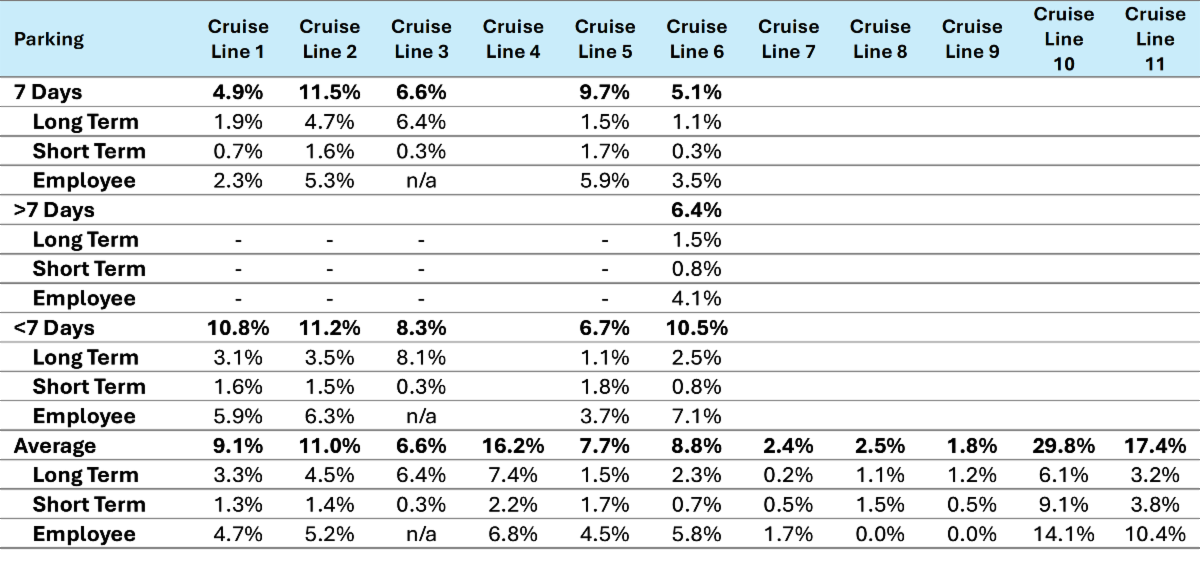
Source: BA database. Single sample port; cruise lines anonymized. Blank cells indicate the line does not offer that itinerary length at this port.
The takeaway is that parking demand can look completely different across two homeports with identical passenger counts, which is why the number must be modeled against a port's specific market rather than assumed.
Even after a passenger decides to drive, the port still has to win the parking. On-site parking competes with off-site lots and park-and-cruise hotel packages, and where those alternatives are cheap and easy, the garage loses share. That competition, along with the port's own pricing, is what turns a given level of demand into actual revenue.
Most homeports are still operating with a static pricing strategy, similar to airports, but a few homeports have begun moving to dynamic pricing, adjusting rates by sailing date, booking lead time, and expected demand rather than holding a single flat rate. It lets them stay competitive in slower periods while capturing the full value of a peak-weekend turnaround.
The cruise industry spans dozens of homeports, so rather than survey them all, we selected a few meaningful and illustrative examples of the power of parking. Using only publicly available pricing, the table below compares three U.S. homeports across two very different regions: the year-round, drive-in Gulf and Florida market, and the seasonal, fly-in Pacific Northwest.
Parking Snapshot: Gulf vs. Pacific Northwest
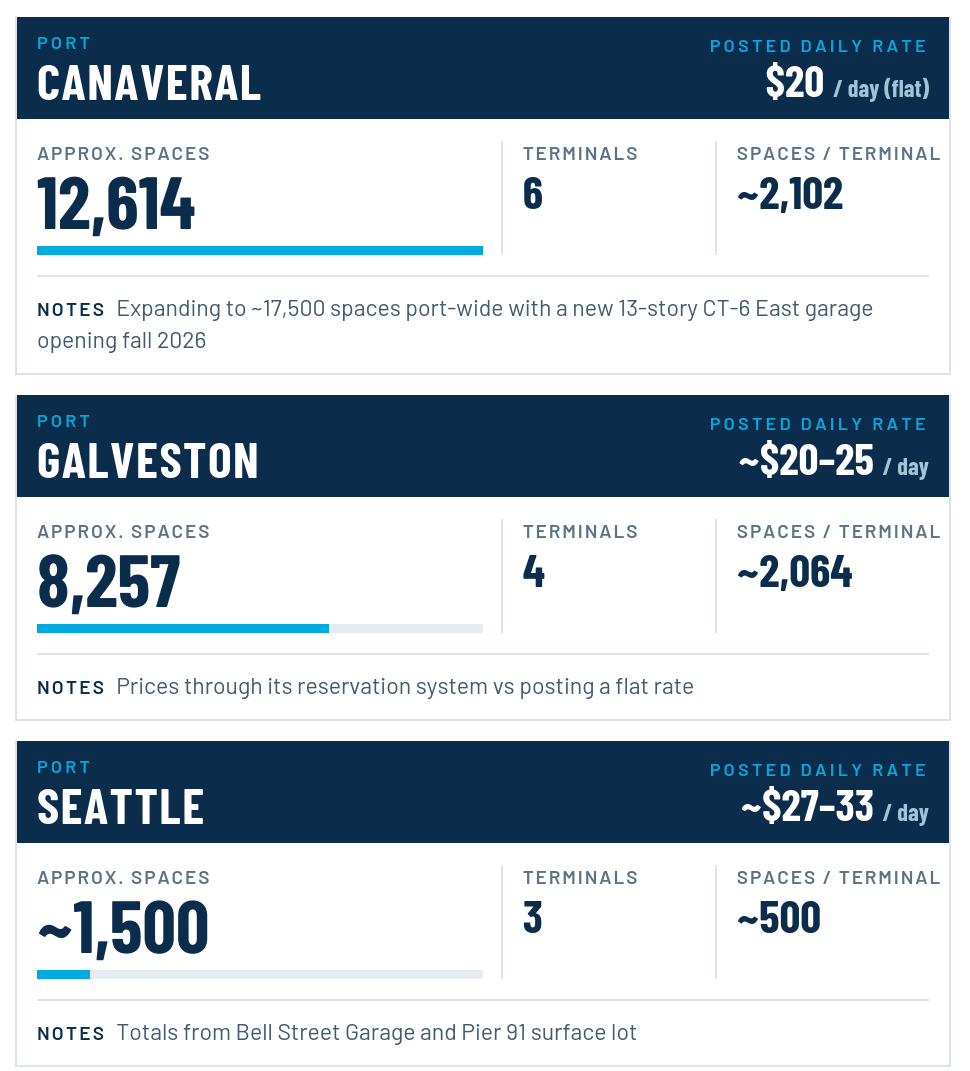
Sources: Port Canaveral (portcanaveral.com); Port of Galveston 2026 Strategic Master Plan; Port of Seattle / Republic Parking.
Applying those rates to the volume of cars parked is what produces real revenue, and for ports that own and operate their own garages, parking has become one of the largest and fastest-growing revenue lines they have. Canaveral and Galveston both run their own garages and report parking revenue publicly. Seattle's is port-owned but concessionaire-operated and not broken out separately, so the figures below focus on the two Gulf and Florida ports.
In FY2025, cruise operations drove roughly 83% of Port Canaveral's $218 million in total revenue, and parking alone generated $52.7 million of that, nearly a third of all cruise-related revenue (about 24% of the port's total). At the Port of Galveston, parking played an even more outsized role: its $31.1 million in parking fees was the port's single largest operating revenue line, ahead of even the cruise passenger charges, and made up 36% of total operating revenue.
Both ports have also roughly doubled their parking revenue since 2022, with Canaveral up 102% (from $26.2 million) and Galveston up 151% (from $12.4 million). That growth reflects three forces working together: new capacity, higher utilization, and rising rates.
Canaveral expanded and renovated Cruise Terminal 8 in 2022 under a long-term agreement with Disney Cruise Line, a $40 million project built to handle larger new ships and improve passenger flow ahead of the Disney Wish, then raised its daily rate in 2025 for the first time since 2017. Galveston added Royal Caribbean's Cruise Terminal 10 in late 2022, with Terminal 16 following in 2025 (too late to affect 2025 revenue, but a signal of further growth in 2026 and beyond).
Capturing that revenue is one thing; building the parking to support it is another. Cruise parking behaves unlike almost any other kind of business, with huge seasonality and year-to-year fluctuations, which makes it uniquely hard to plan. Ports planning the future of parking face a few realities that shape every decision:
Managing capacity. Cruise parking demand rarely grows at a steady, plannable rate. It is driven by peak weekly demand, which can swing sharply when a ship is added to or pulled from a port's deployment, or when a smaller ship is replaced by a larger one that lifts demand overnight. Seasonality compounds the problem, creating months of oversupply and months of shortfall that make the financial picture harder to pin down.
Meeting demand. Ideally, parking is added in tranches, in step with demand, rather than built all at once. Where a port has idle land, this is straightforward: new surface stalls can be paved as needed, so capital is not spent before the demand is there. Most cruise ports, however, do not have spare land and must turn to parking structures, which are far harder to scale. Each port then faces a hard choice: carry the cost of spare capacity for an uncertain future, or build for today and hope room for the next structure can be found later. Many build garages close to the terminals, only to hit an operational wall as they grow, when more parking is needed but no land is left, forcing new and creative solutions.
In some cases the solution is as simple as building an additional garage or parking lot, but that is becoming rare: the biggest homeports in the industry sit in the middle of very dense communities with little spare land. Solutions need to look at the entire parking horizon to make sure that the amount and pricing of parking support a healthy bottom line, the growth of the market, and great guest satisfaction.
Pricing and land strategy. Those solutions start with land and price. Where a port secures land, and how close it sits to the terminal, shapes both supply and cost, and pricing by convenience is standard everywhere else, from stadiums to airports to office space. Cruise ports can apply the same logic, pricing premium, on-site parking above remote lots with shuttles, which lifts yield and gives passengers a real choice.
Parking operations. Some European ports go further still, using valet parking to pack more cars into a garage and retrieve them on request, labor-intensive, but a workable answer where space is scarce.
Offsite parking. Remote parking is becoming more important and will only grow. If ports or cruise lines do not participate in its development, independent parking operators and developers will. A coordinated response by all parties would be highly advantageous.
Port and terminal operators need to start thinking of the guest experience as beginning at the vehicle door, not the terminal door. Cruise lines once treated the guest experience as starting at the ship, with the terminal an afterthought. Now attention has shifted to the terminal entrance as the start of the guest experience, but the connection back to the car was forgotten. This is understandable since most guests did not park at the terminal. So for the past decade, garage development and design have usually been treated as an independent part of the guest journey. The result is that garages have been designed as conventional commercial structures, with little thought for the peak loads of people and vehicles on turnaround day. That thinking no longer holds.
When a ship disembarks, thousands of passengers head for their cars at once. A garage with too few elevators cannot move them fast enough, and the taller the structure, now often exceeding ten stories, the worse the bottleneck becomes.
The future garage should be held to the same guest-satisfaction standards as the terminal and the ship: better circulation, weather-protected or even air-conditioned connections, shorter walking distances, and enough ambiance to escape the harsh feel of a conventional lot. The garage nearest the terminal, the premium product, should be designed and priced accordingly, with comfortable connections, baggage assistance, and its own terminal entrance where possible.
Getting cars back out of the garage and onto the roadways is its own design problem. Cruise garages behave like stadium or event parking: vehicles arrive at a steady pace, but everyone leaves at once, inside a two-to-three-hour window. A stall taken now may free up within minutes as a departing car pulls away, so the goal is a throttling system that keeps every arriving car moving to a space without leaving stalls empty at day's end. That depends on high exit capacity and a seamless payment system, and increasingly on online reservations, all of which have to be designed in from the start rather than bolted on.
Parking has come a long way from the 20 or 30 spaces that once sat beside a pier. At today's largest drive-in homeports it can rival the cruise fees themselves as a source of revenue, and it is no longer an afterthought to be squeezed onto leftover land. But none of it is universal. The same garage that anchors a year-round Gulf homeport would sit empty at a seasonal Alaska port, and the demand that fills it depends on a specific mix of region, itinerary, brand, and ship size that no two ports share.
That is the real message for any port weighing a parking investment. The revenue is real and growing, but the number must be modeled against a port's own market, priced to its own demand, and designed for the few hours a week it is truly tested. And the payoff is not only financial: a well-planned garage can deliver better guest experience, higher capacity, and stronger yields at once, often using conventional, cost-efficient construction. Done right, parking is not a standalone asset but part of a broader strategy, one that lets ports grow and lets cruise lines extend the experience all the way back to the vehicle door. Get demand, revenue, and design right together, and a stretch of asphalt becomes one of the most valuable assets a cruise port owns.

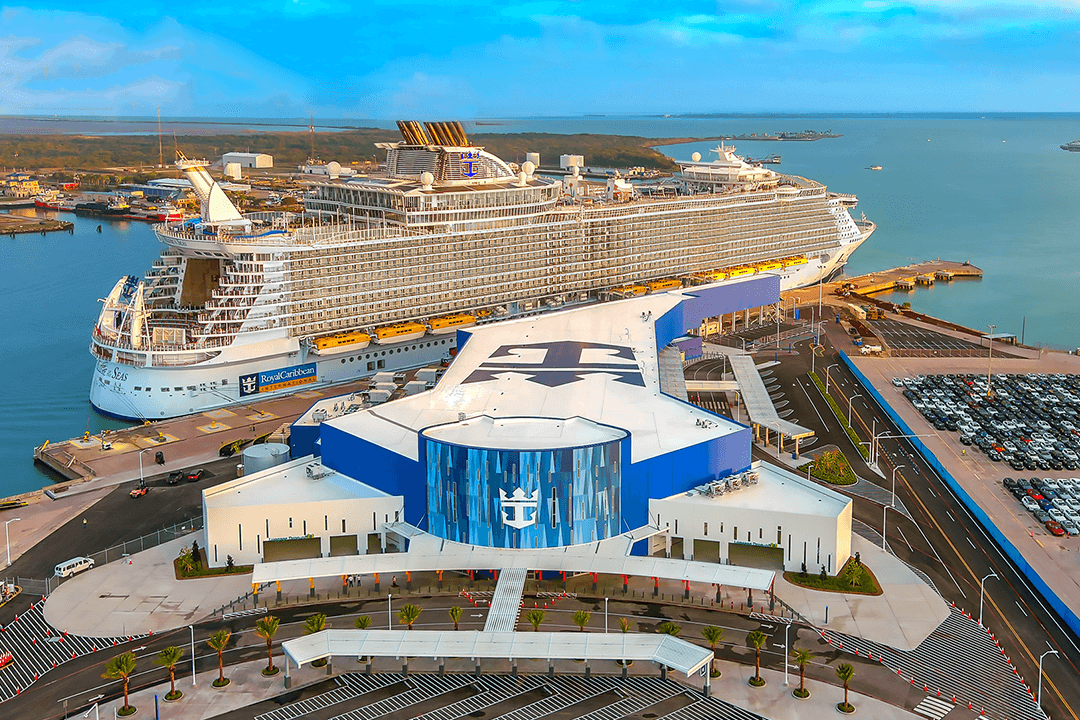
Galveston Wharves Cruise Terminal is a two story, 160,000 square-foot terminal building designed to maximize cruise terminal operations while creating a welcoming environment for passengers and crew...
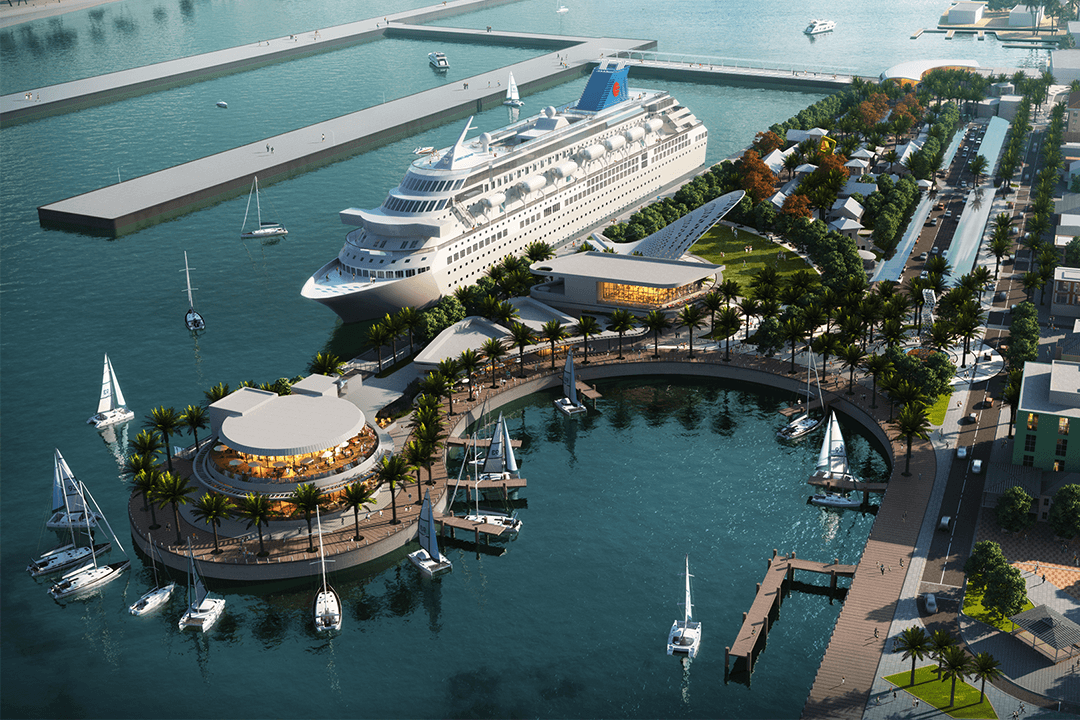
BA's design for the waterfront features a completely transformed Port and Welcome Center, additional mega berths to accommodate the largest cruise ships in the world...
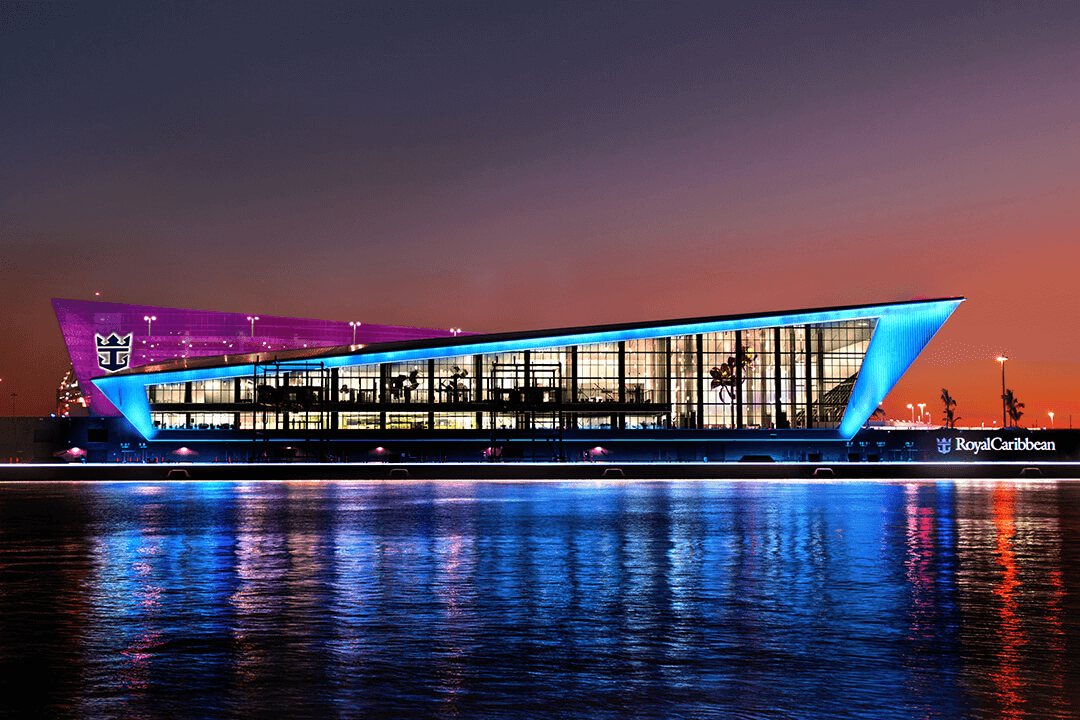
BA was commissioned by RCCL as the architect of record for the new flagship state-of-the-art high-tech Terminal A...
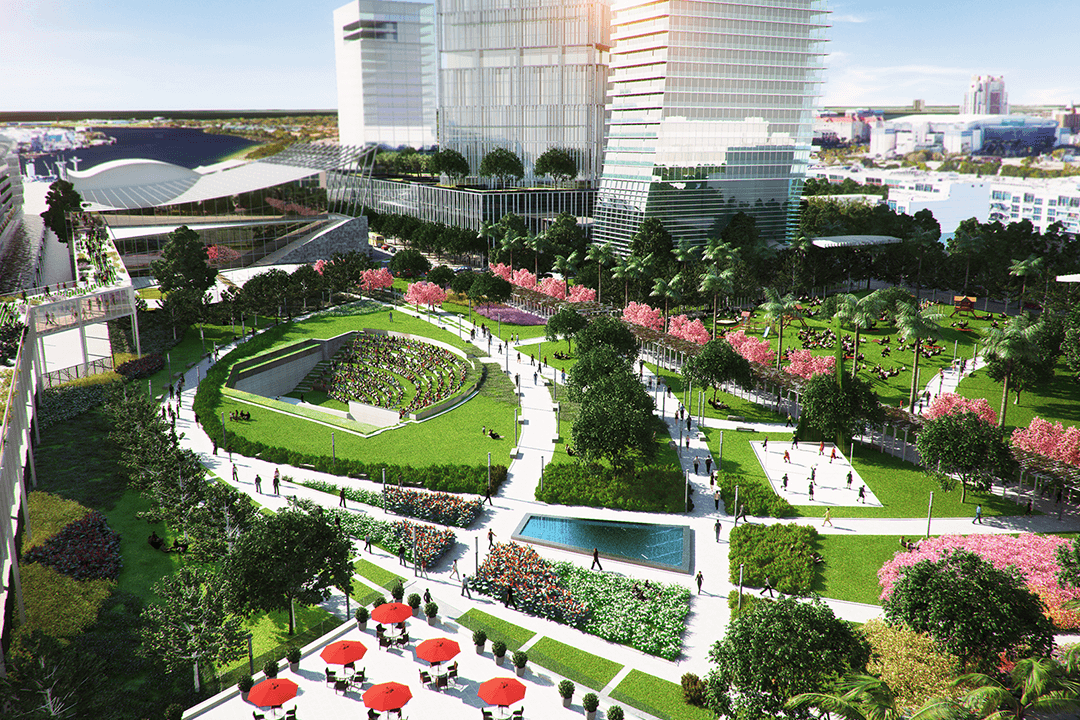
Bermello Ajamil & Partners, Inc. BA, in conjunction with the Renaissance Planning Group, is preparing a Master Plan of the Tampa Port Authority's Waterfront Properties...
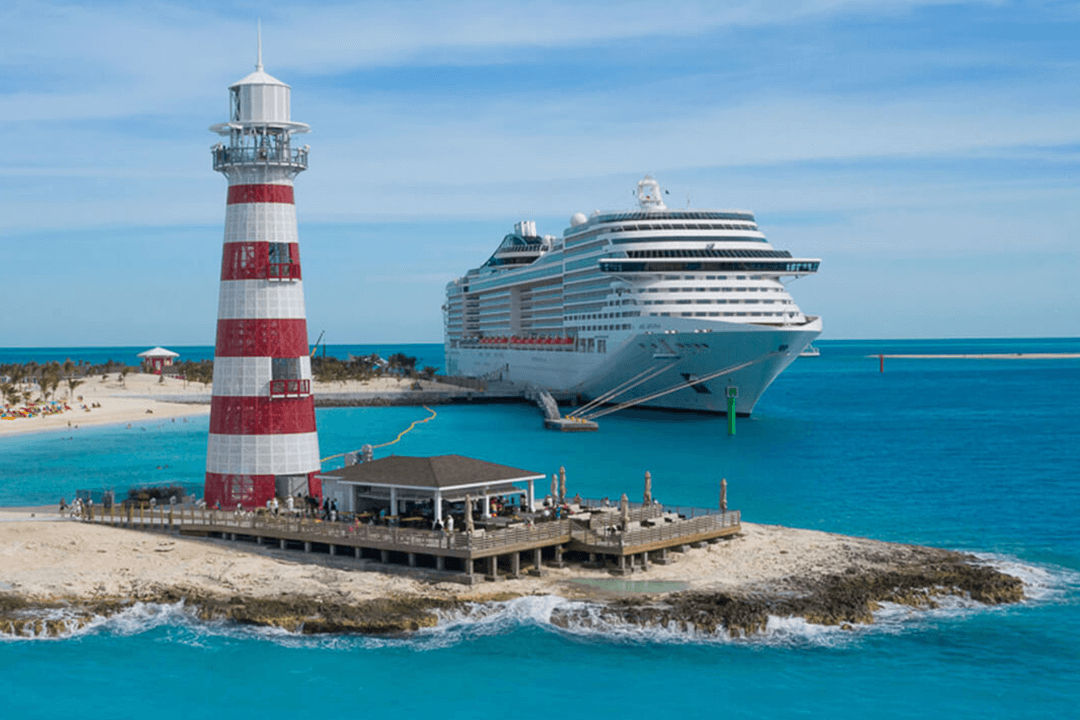
Ocean Cay was a 5-year design-build project that BA led as the prime consultant. The ultimate vision for Ocean Cay was to reinvent what a cruise destination island should be for its guests...
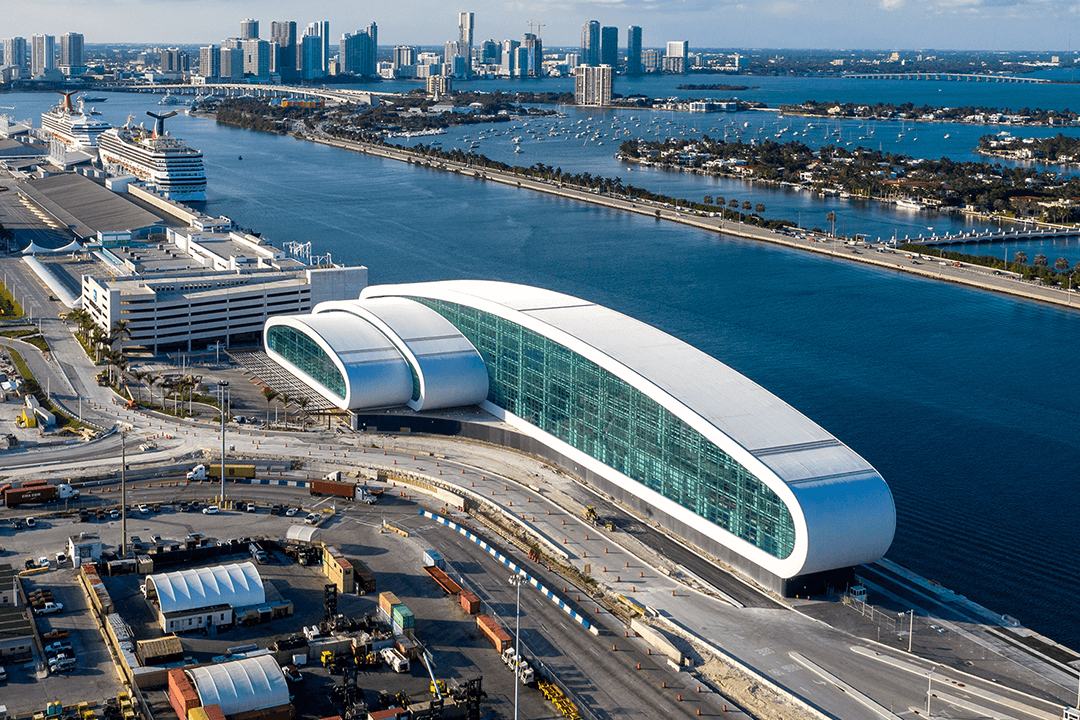
Terminal B accommodates cruise vessels of more than 5,000 passengers, and features new technology to support quicker and more efficient embarkation and disembarkation processes, as well as expedited security screening and luggage check-in...