
Port Galveston Cruise Terminal 10
Galveston Wharves Cruise Terminal is a two story, 160,000 square-foot terminal building designed to maximize cruise terminal operations while creating a welcoming environment for passengers and crew...


Gain deeper insights into the maritime industry with detailed updates on key developments and trends, meticulously curated by our team of specialists.
Maritime Prosperity Zones, shipbuilding growth, and what port leaders should watch next.
Three Words Ports Should Know—Inside the New Maritime Action Plan!
On April 9, 2025, the White House issued Executive Order 14269, directing the development of a Maritime Action Plan (MAP) to strengthen U.S. maritime capacity. The finalized MAP outlines a coordinated federal strategy, working across agencies and in partnership with industry, state and local governments, and allied nations, to rebuild the nation's Maritime Industrial Base (MIB). The MAP is organized around four pillars intended to accelerate U.S. shipbuilding and strengthen the supporting maritime industries.
This BAPerspective highlights the MAP elements most relevant to ports, the major open questions, and actions port leaders can consider as implementation takes shape.
Pillar I focuses on rebuilding U.S. shipbuilding capacity, but its scope extends beyond shipyards. Ports are positioned as enabling infrastructure for a stronger maritime industrial base emphasizing coordinated investment across shipyards, ports, terminals, and connecting infrastructure. Key initiatives for ports include:
Pillar II focuses on expanding and modernizing the U.S. maritime workforce, particularly credentialed mariners and shipyard labor. This pillar is important to enabling fleet growth, but for most ports its effects will be incremental. Key implications for ports include:
Pillar III uses trade policy and federal procurement to support U.S.-built and U.S.-flag vessels and to create more consistent demand for U.S. maritime services. For most ports, impacts will depend on implementation, but ports handling government cargo or competing with land-border routes may see more noticeable effects. Key implications for ports include:
Pillar IV frames the maritime industry as a strategic national asset—critical to sustaining military logistics, securing trade routes, and maintaining the flow of goods during both normal operations and times of conflict. It explains why ports are increasingly viewed as essential infrastructure within national security and economic resilience planning. While near-term impacts for most ports are limited, this pillar provides the context for sustained federal attention to maritime and port capabilities. Key implications for ports include:
The MAP signals a renewed federal focus on rebuilding U.S. maritime capacity and elevating ports as strategic infrastructure. At the same time, the MAP is best viewed as policy direction, not yet a fully enacted regime—many components will depend on funding decisions, rulemaking, and (in several cases) Congressional action.
As with many federal initiatives, the MAP's ultimate impact will depend on how programs are implemented, how agencies coordinate, and how carriers and shippers respond to potential new costs and market shifts. Timelines and incentives will evolve, and not every element of the plan will affect every port equally.
Looking ahead, the MAP reinforces a broader trend: ports are increasingly viewed not only as gateways for cargo and passengers, but as strategic assets within national supply chains and industrial policy. For port authorities, terminal operators, and maritime stakeholders, this highlights the importance of long-range planning, flexible infrastructure, and readiness to align with shifting federal priorities.
Ports that proactively align capital planning, land use strategies, partnerships, and policy engagement with these emerging directions may be best positioned to capture future opportunities as the U.S. maritime sector enters a new phase of reinvestment and transformation.

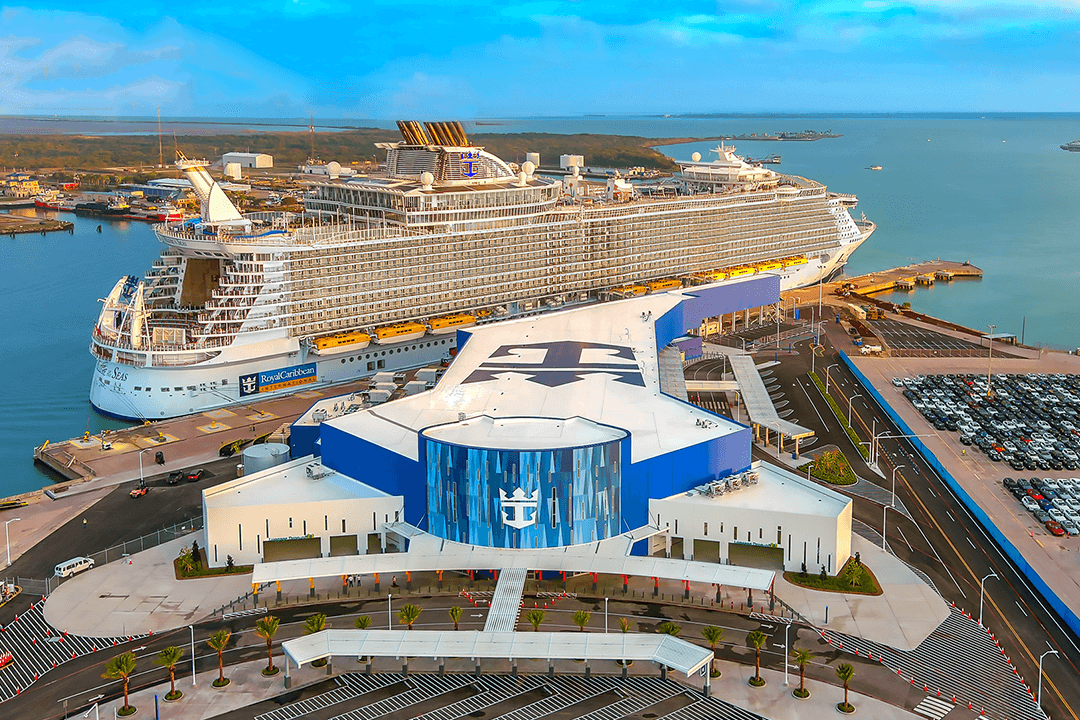
Galveston Wharves Cruise Terminal is a two story, 160,000 square-foot terminal building designed to maximize cruise terminal operations while creating a welcoming environment for passengers and crew...
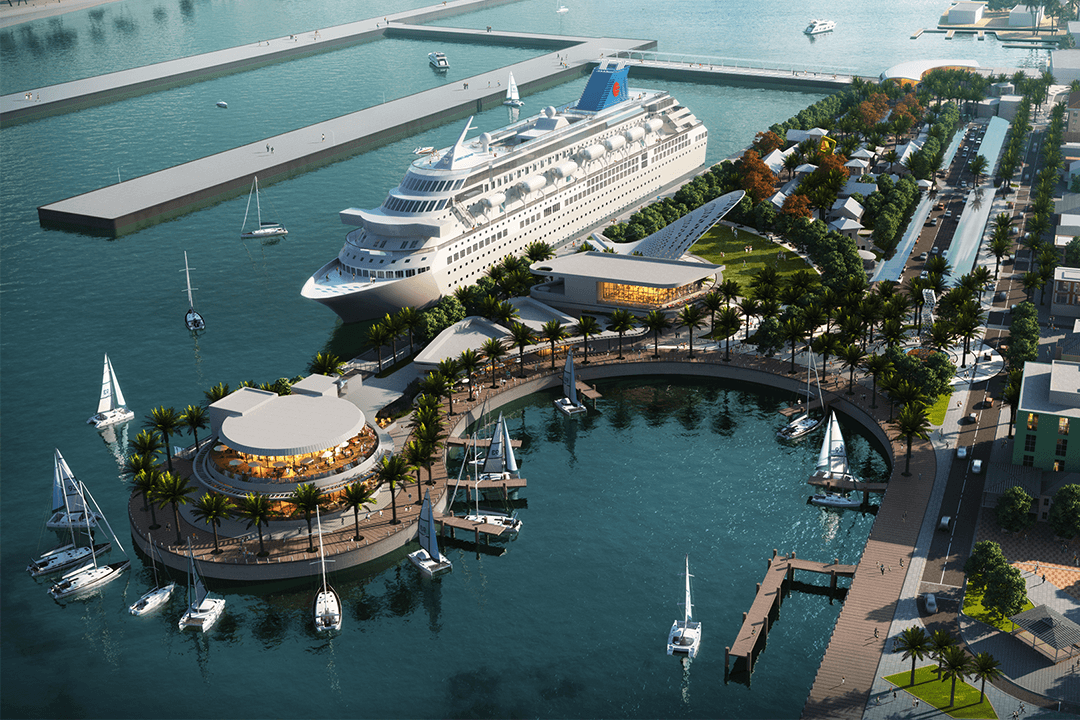
BA's design for the waterfront features a completely transformed Port and Welcome Center, additional mega berths to accommodate the largest cruise ships in the world...
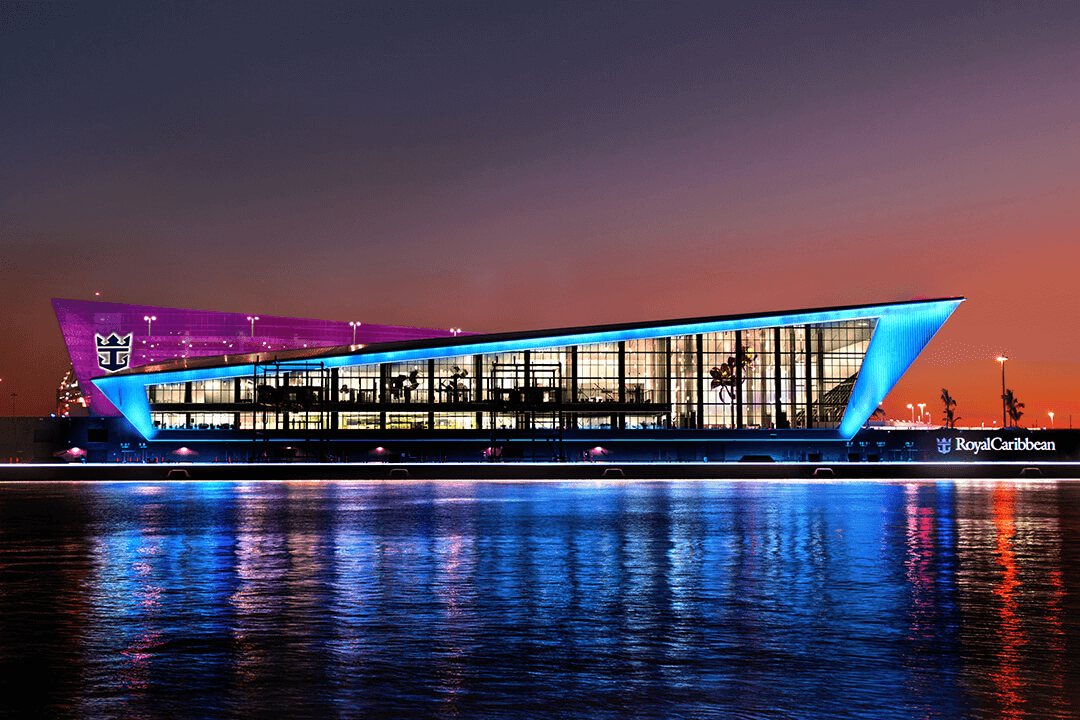
BA was commissioned by RCCL as the architect of record for the new flagship state-of-the-art high-tech Terminal A...

Bermello Ajamil & Partners, Inc. BA, in conjunction with the Renaissance Planning Group, is preparing a Master Plan of the Tampa Port Authority's Waterfront Properties...
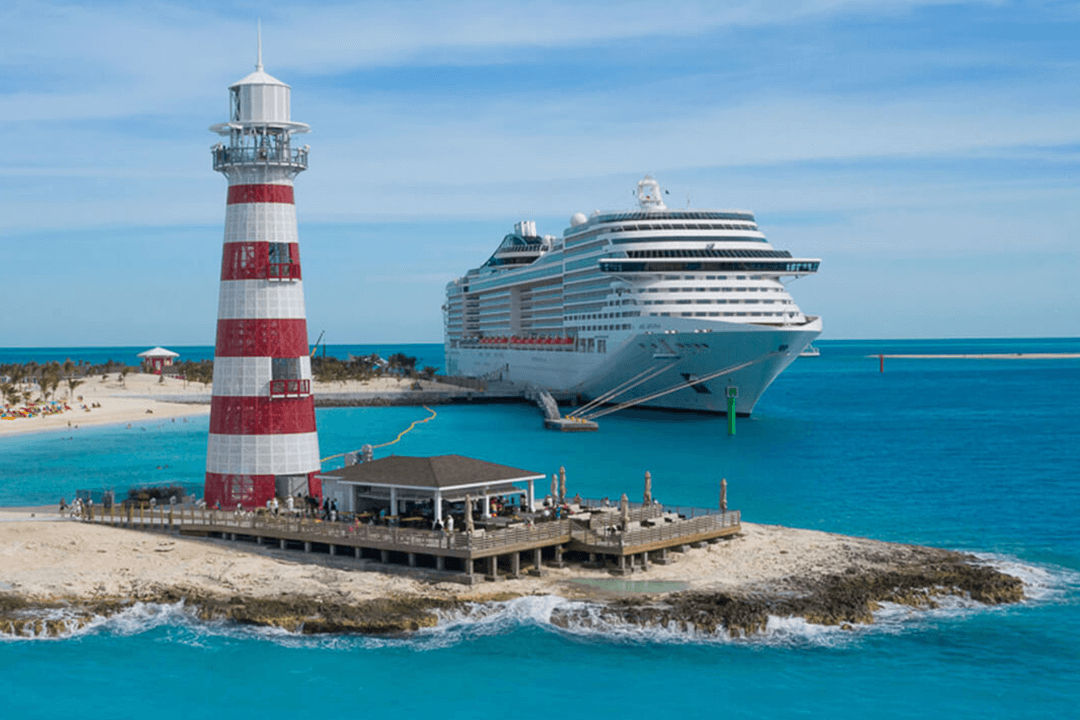
Ocean Cay was a 5-year design-build project that BA led as the prime consultant. The ultimate vision for Ocean Cay was to reinvent what a cruise destination island should be for its guests...
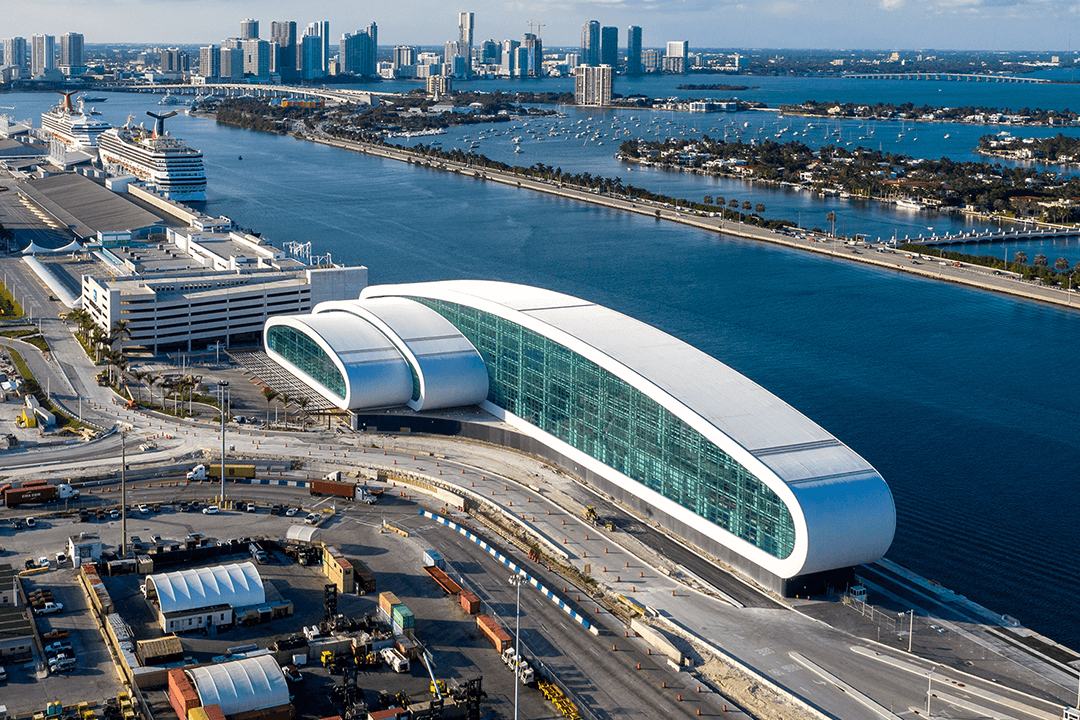
Terminal B accommodates cruise vessels of more than 5,000 passengers, and features new technology to support quicker and more efficient embarkation and disembarkation processes, as well as expedited security screening and luggage check-in...