Port Galveston Cruise Terminal 10
Galveston Wharves Cruise Terminal is a two story, 160,000 square-foot terminal building designed to maximize cruise terminal operations while creating a welcoming environment for passengers and crew...


Gain deeper insights into the maritime industry with detailed updates on key developments and trends, meticulously curated by our team of specialists.
Rising costs, shifting supply chains: how trade policy is impacting cruise terminal infrastructure investment.
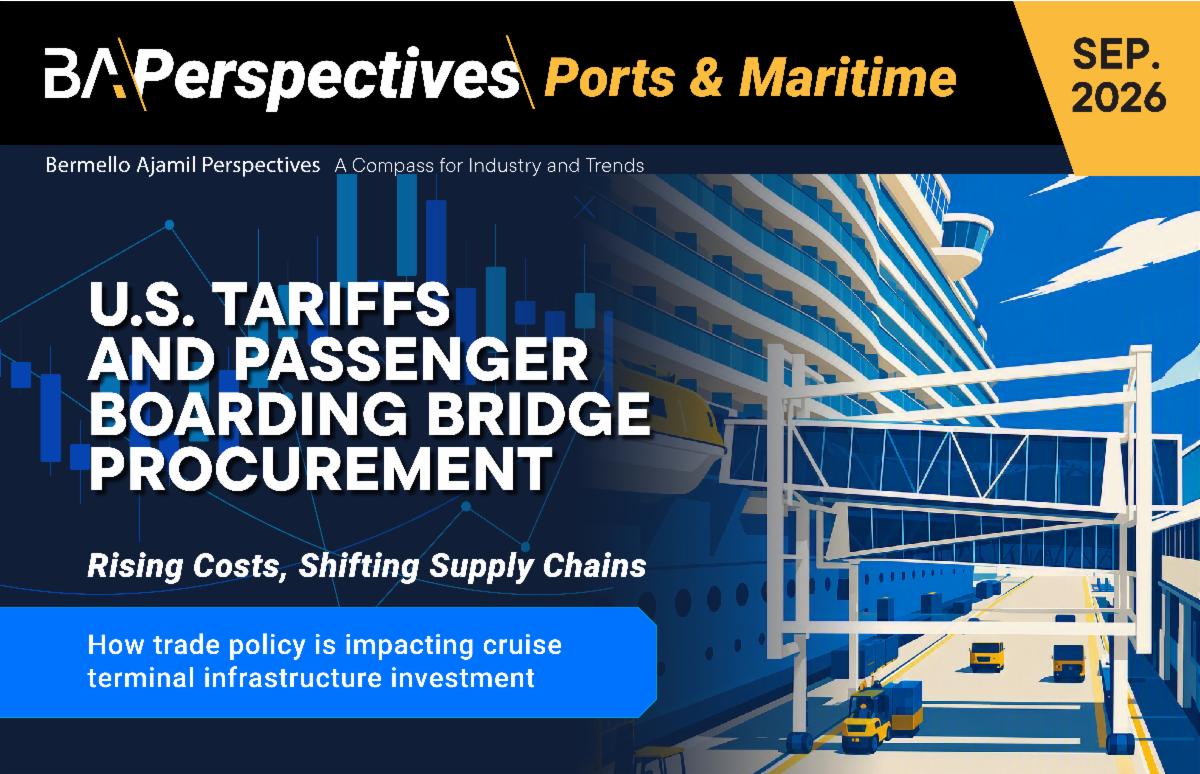
Passenger boarding bridges (PBBs), also known as gangways, pasarelas or jetways, sit at the intersection of terminal design, maritime operations, industrial manufacturing, and trade policy. For U.S. cruise-terminal owners, the procurement decision is no longer solely about quoted equipment price, but also classification, country of origin, component content, and delivery timing.

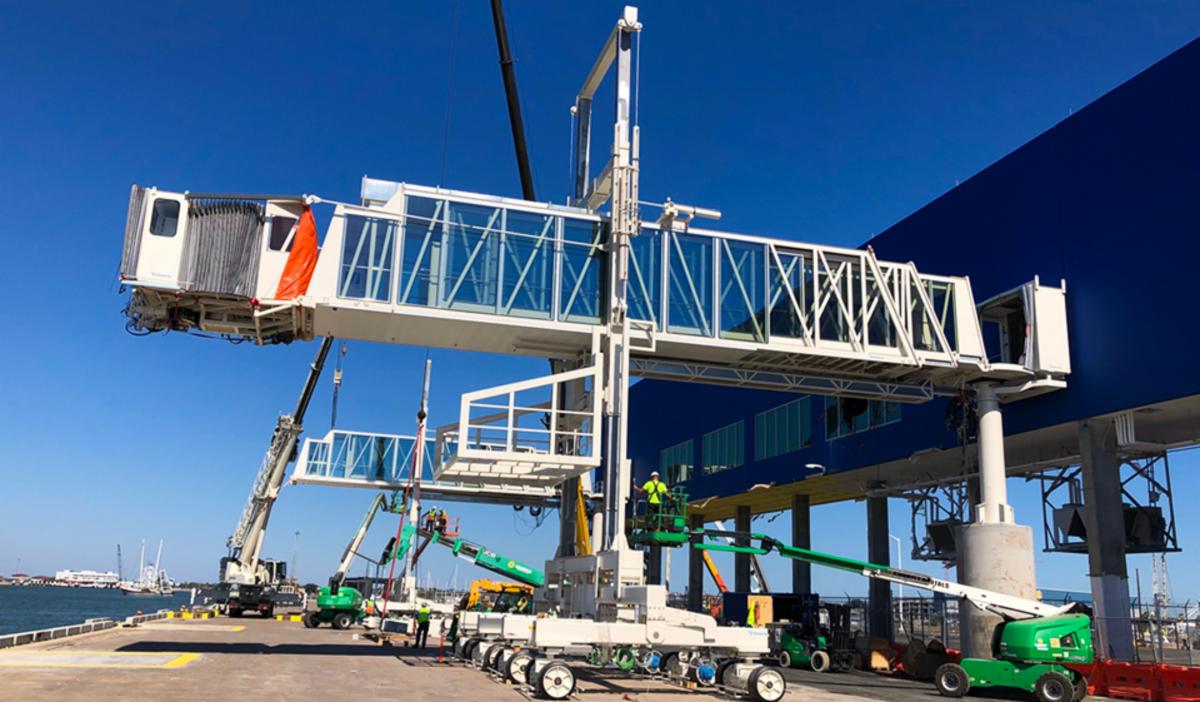
Passenger boarding bridges (PBBs) are specialized systems combining structural steel, telescoping and elevating mechanisms, controls, electrical equipment, glazing enclosure systems, and ship-interface components. PBBs must also respond to variance in vessel door locations, freeboard, tidal movements, berth clearances, terminal geometry, passenger accessibility, and operating procedures, much through automated, sensor-based analytic reaction software.
That specialization has produced a relatively concentrated international supplier base. ADELTE markets and manufactures seaport passenger boarding bridges from Spain. FMT, now presented as Dabico FMT, is a Sweden based design, manufacturing, and service organization. Broader market sources include suppliers with roots or manufacturing presence in China, Germany, and in limited application, the United States. The practical result is that U.S. ports frequently evaluate systems whose design, fabrication, components, or final assembly cross national borders.
For many projects, PBB selection has traditionally centered on operational fit: service envelope, reliability, accessibility, maintenance access, controls, spare parts, commissioning support, lifecycle cost, and in many cases, experience with previous suppliers. Customs duties were part of landed cost, but rarely an organizing principle of procurement strategy.
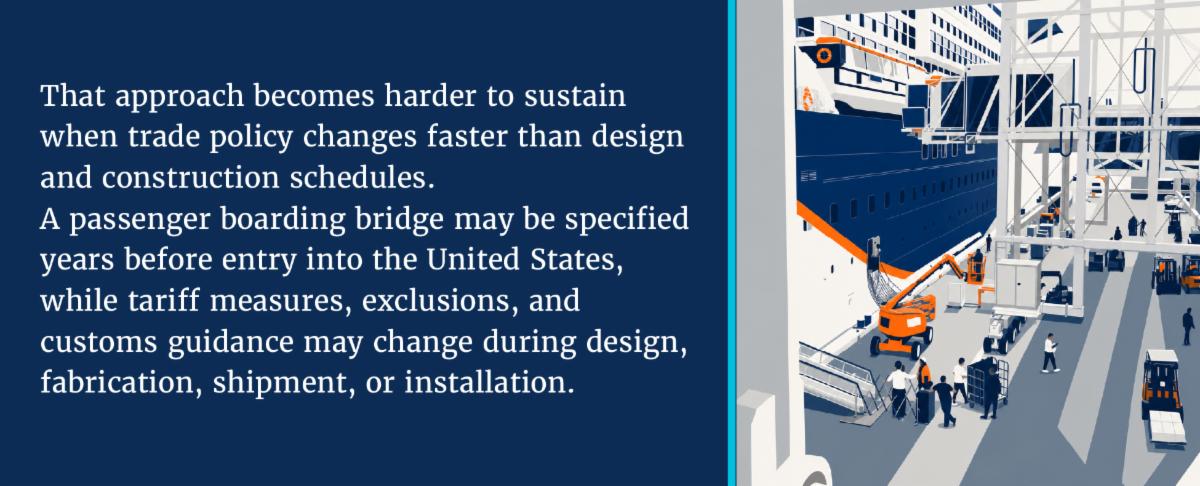
That approach becomes harder to sustain when trade policy changes faster than design and construction schedules. A passenger boarding bridge may be specified years before entry into the United States, while tariff measures, exclusions, and customs guidance may change during design, fabrication, shipment, or installation.
The United States International Trade Commission places passenger boarding bridges in HTS subheading 8479.71 within the machinery chapter. That base classification is only the starting point. U.S. trade remedies can add separate duties through Chapter 99 provisions, and separately imported parts may be classified under other headings. The source documents and their interpretation by staff at port of entry therefore support a project-by-project classification review rather than a single universal tariff assumption.
The policy backdrop is also broader than one tariff program. USTR continues to administer Section 301 actions involving products of China and has maintained a machinery-exclusion process for specified tariff subheadings. CBP separately administers Section 232 measures affecting steel and aluminum articles and derivatives, as well as other current trade remedies. Whether any of those measures reaches a complete bridge or an imported component depends on the facts of the entry.
Per interview of affected vendors, more than two dozen shipments of full units or parts have been impacted by these policy changes to-date. These projects suffered from conflicting classifications for similar components. In some cases, shipped units or portions thereof have been classified purely as a steel import instead of the proposed PBB classification, even when containing other metals, glazing, electronic controls, and visually displaying all aspects of a PBB. This has resulted in a 50% tariff duty determination, rather than a 10 or 15% determination.
These determinations have caused project delays at point of import as the customs agency also struggles to navigate the changing policy. Requests for product data sheets and other origination information not typically required or available for custom assemblies can create further delays. As many terminal and PBB project schedules are built around the two-year cruise market cycle of vessel commitments and this equipment is vital for operations, there is often no schedule contingency available for import delays.
Manufacturers have reacted by enlisting expert customs brokers to support them in the process, but at added project cost. Enacted tariffs greatly exceed anticipated profit margin, forcing an uncomfortable renegotiation of terms if not strategized at project outset. Manufacturers are now building pricing protections into bids which raise project costs considerably. They are also seeking to increase sourcing of parts from the US where possible, although US labor and material costs make this uneconomical for most components. Most manufacturers have long enacted corporate strategy to bring some production stateside and most have support staff and services already located in the US, but market conditions and limited volume don't yet support this model fully.
Alex Sivila, Director North America for Adelte noted that a protest mechanism exists to challenge a classification that is perceived as incorrect. That classification process that previously averaged one week duration has not been straightforward demonstrated by examples of project status changing multiple times on each transaction and delaying the option to protest. A protest accomplishes a few things:
The protest is used to indicate that no or reduced IEEPA duties should have been charged and if all goes perfectly, the bill will be cancelled and the protester will get their IEEPA refunds back with interest.
"The tariff landscape continues to evolve, but our approach remains consistent: proactive planning, open communication, and close collaboration with our customers to reduce risk and maintain business continuity."
European suppliers compete in the United States through specialized engineering, customized service envelopes, and established seaport product lines. Their exposure can include changes to country-based measures, metal-content rules, freight, currency, and imported subcomponents. Even where the complete bridge has a favorable ordinary duty rate, separately entered materials or parts may require a different analysis.
China-origin equipment requires a distinct review because Section 301 measures apply to listed tariff provisions and are implemented through additional Chapter 99 duties. USTR's four-year review and subsequent modifications demonstrate that the program remains active. A port should therefore confirm whether the proposed classification is covered, whether an exclusion is available, and how the contract treats a change between purchase order and customs entry.
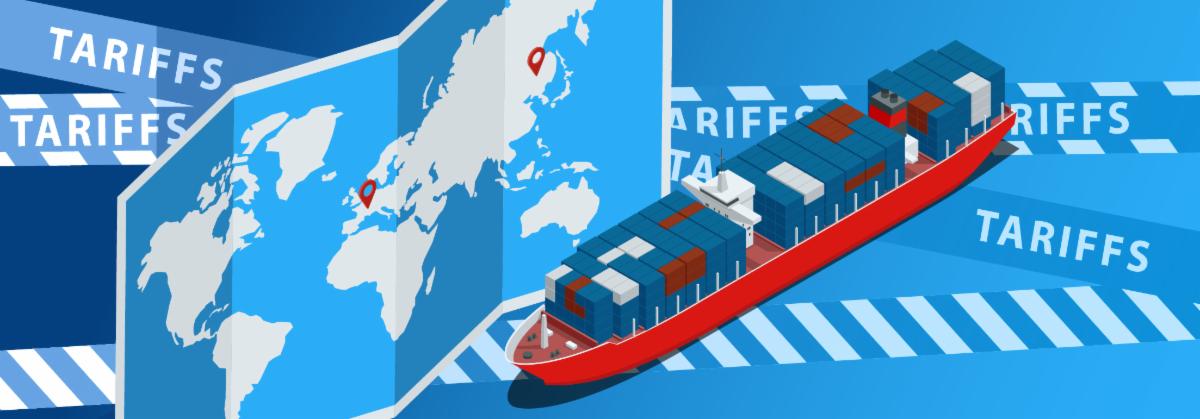
The distinction is important: "European," "Swedish," "Spanish," or "Chinese" describes a commercial source, not necessarily the legal origin of every component or the final customs outcome. Country-of-origin analysis and tariff classification are related but separate determinations.
Cruise PBBs are engineered to a specific berth configuration, maritime locale, and vessel service range. Design coordination requirements include terminal concourse opening sizes and locations, structural reactions, utility and low voltage signal feeds, interface controls, vehicle passage clearances, passenger accessibility walking surface slope restrictions, weather protection, shipment and erection methods. The biggest factor may include analysis of hundreds of vessels of unrelated geometry to determine the proper segment of design vessel classes to match the intended market, as it is infeasible to access all doors across the full global fleet in all environmental conditions.
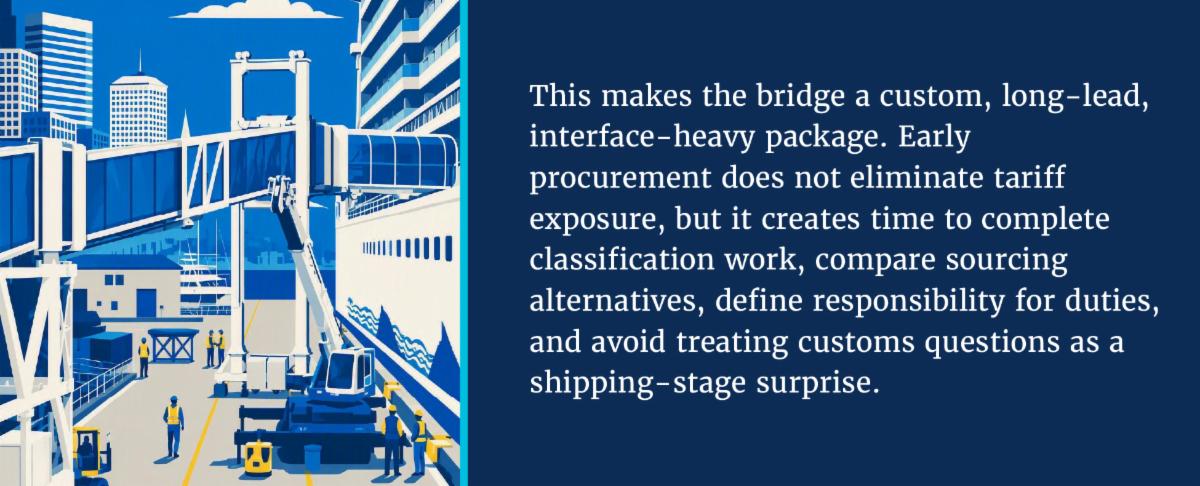
As most procurements are based on design-build performance specifications, the selection of subcomponent source of manufacturer, technological approach, and PBB product assembly locales historically sat with the manufacturer themselves. Now, Ports and their Design Team experts would be well served to discuss sub-component sourcing proposals with PBB manufacturers prior to vendor selection to agree on hedging strategies, where appropriate.
In the US, tariff policy is often discussed as a contest between imported and domestic equipment. The supply chain is more granular. A bridge may combine foreign engineering, U.S. structural work or sub-components, imported drives or controls from other than the manufacturing locale, domestic installation activities, and local maintenance support. Owners may therefore find meaningful risk reduction through domestic fabrication or assembly of selected elements, even when a fully domestic cruise-bridge supply chain is not available for the required configuration.
For publicly funded projects, this analysis should be coordinated with any separate domestic-preference, grant, or procurement requirement. Those requirements are not interchangeable with customs tariffs, and compliance with one does not establish compliance with the other.
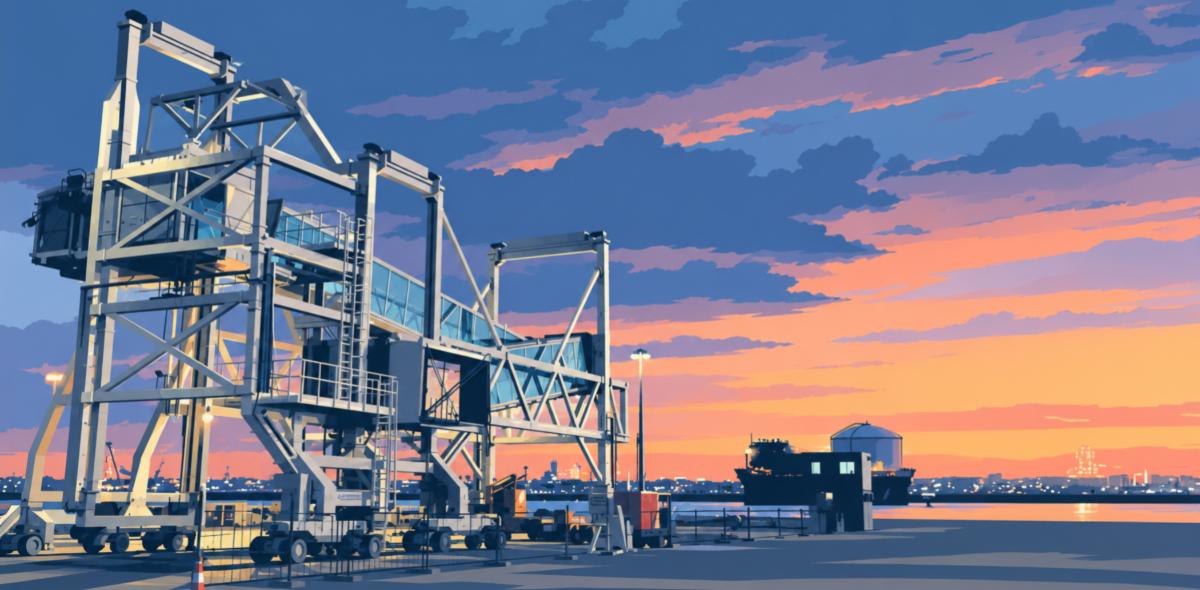

Passenger boarding bridges are a modest share of a major cruise-terminal capital program, but they are among its most internationally exposed and operationally specialized assets. Their procurement brings global manufacturing directly into a local public-infrastructure project.
The durable lesson is not that one country will always be more economical than another. It is that tariff treatment can no longer be left outside the design and procurement conversation. Classification, origin, shipment strategy, contract language, and schedule now belong alongside discussions on service envelope, reliability, and passenger experience.
Ports that integrate those questions early will be better positioned to compare bids on a true landed-cost basis, preserve competition, and respond when policy changes. Tariff rates may move. The need for disciplined supply-chain planning will remain.

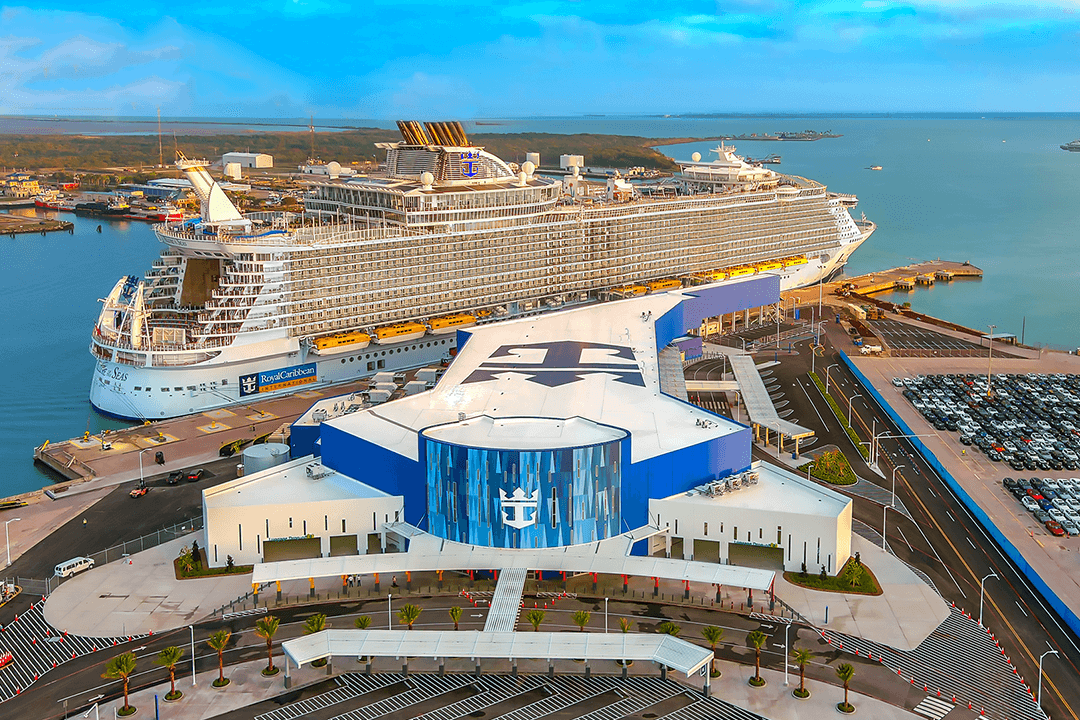
Galveston Wharves Cruise Terminal is a two story, 160,000 square-foot terminal building designed to maximize cruise terminal operations while creating a welcoming environment for passengers and crew...
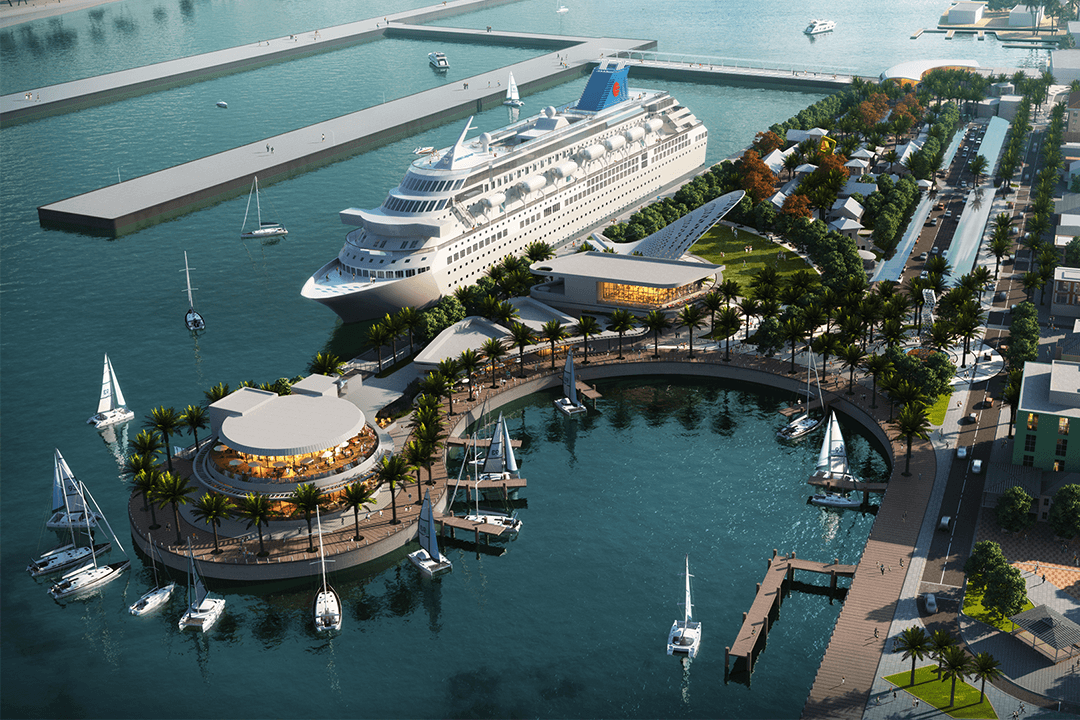
BA's design for the waterfront features a completely transformed Port and Welcome Center, additional mega berths to accommodate the largest cruise ships in the world...
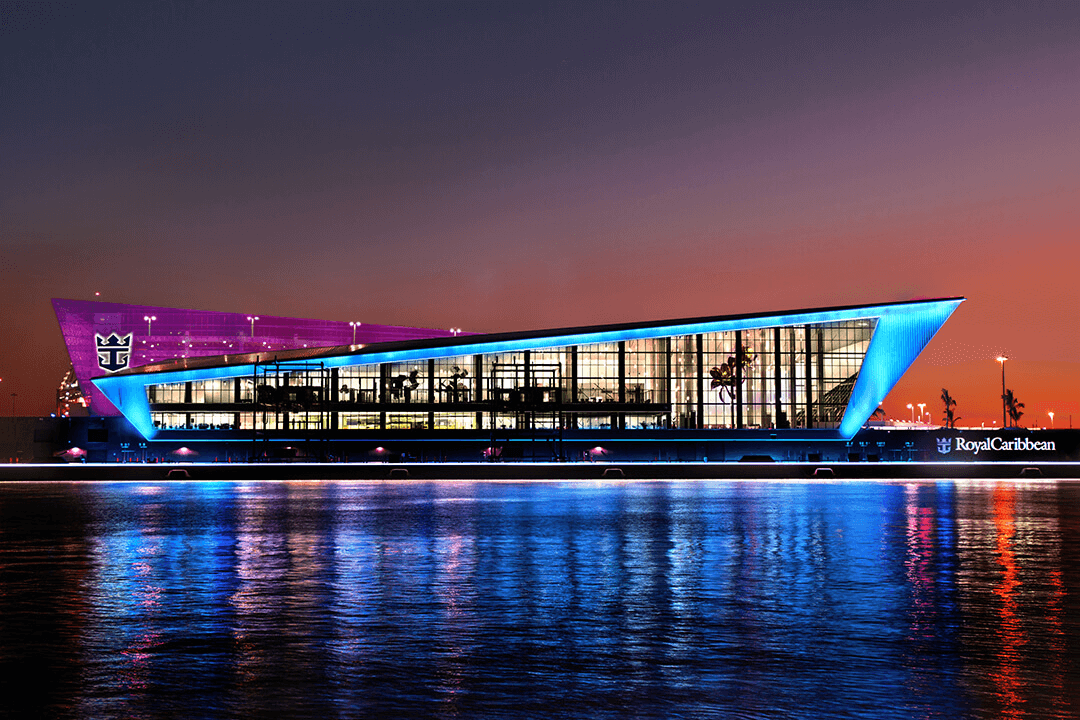
BA was commissioned by RCCL as the architect of record for the new flagship state-of-the-art high-tech Terminal A...
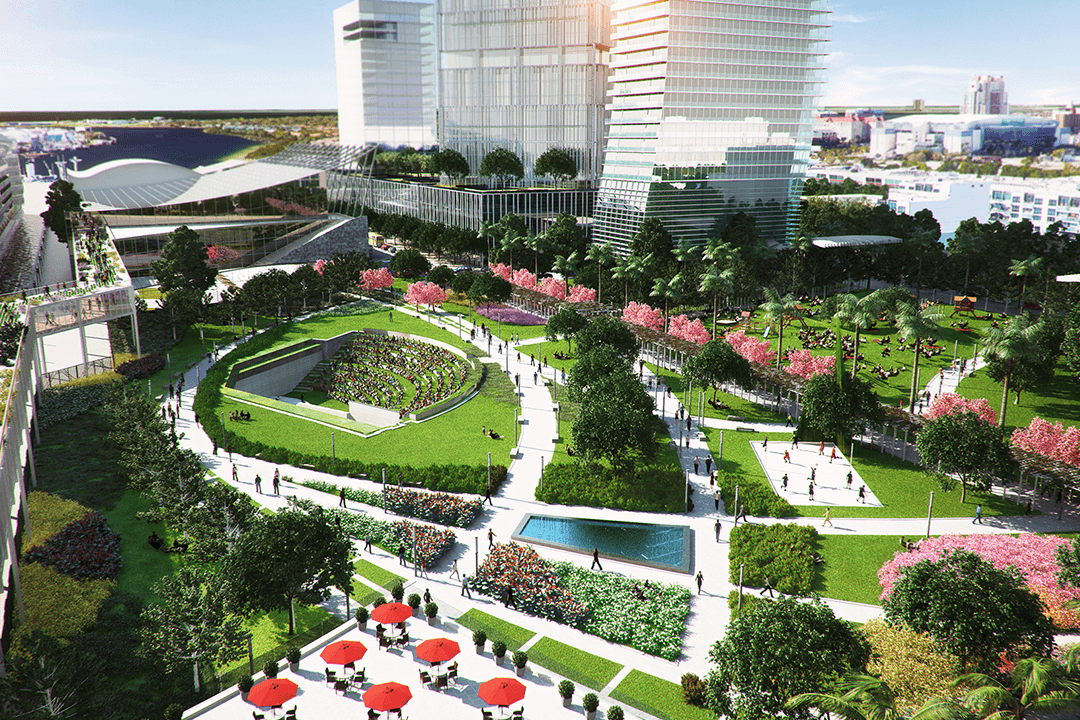
Bermello Ajamil & Partners, Inc. BA, in conjunction with the Renaissance Planning Group, is preparing a Master Plan of the Tampa Port Authority's Waterfront Properties...
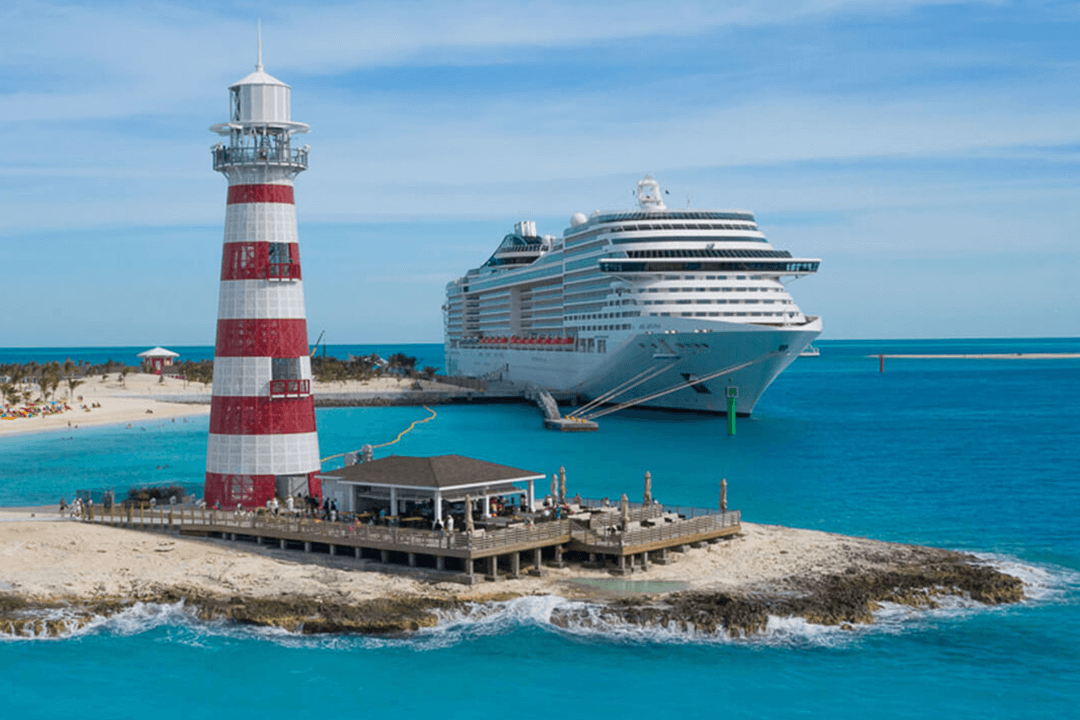
Ocean Cay was a 5-year design-build project that BA led as the prime consultant. The ultimate vision for Ocean Cay was to reinvent what a cruise destination island should be for its guests...
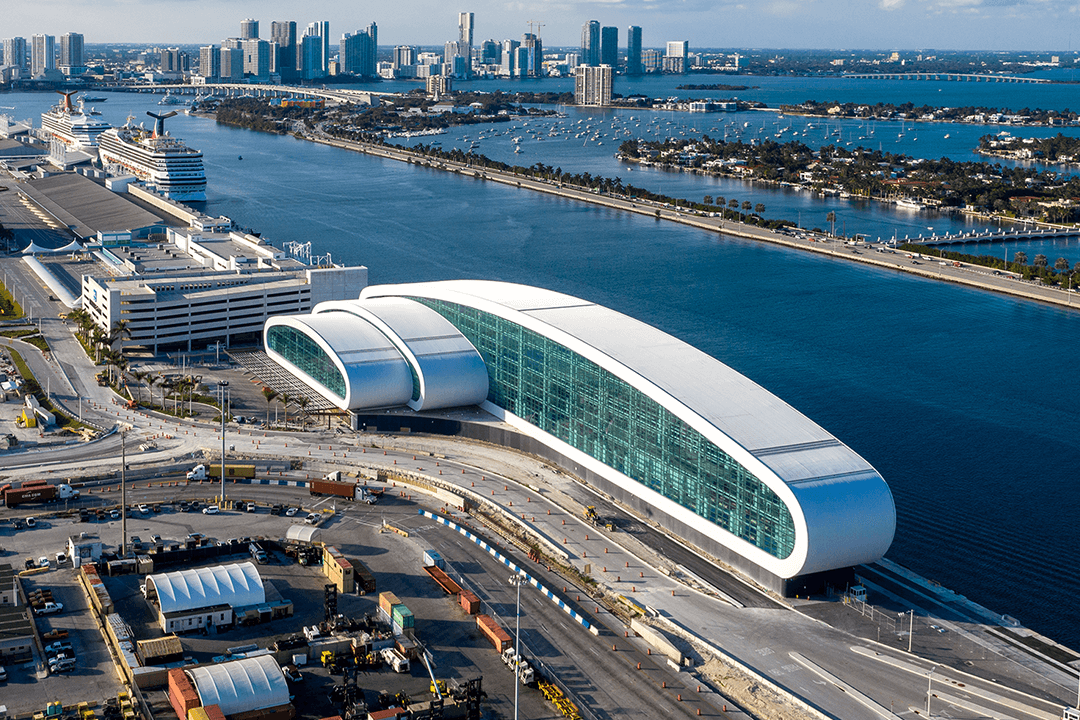
Terminal B accommodates cruise vessels of more than 5,000 passengers, and features new technology to support quicker and more efficient embarkation and disembarkation processes, as well as expedited security screening and luggage check-in...